Gryfny Nikisz
2026
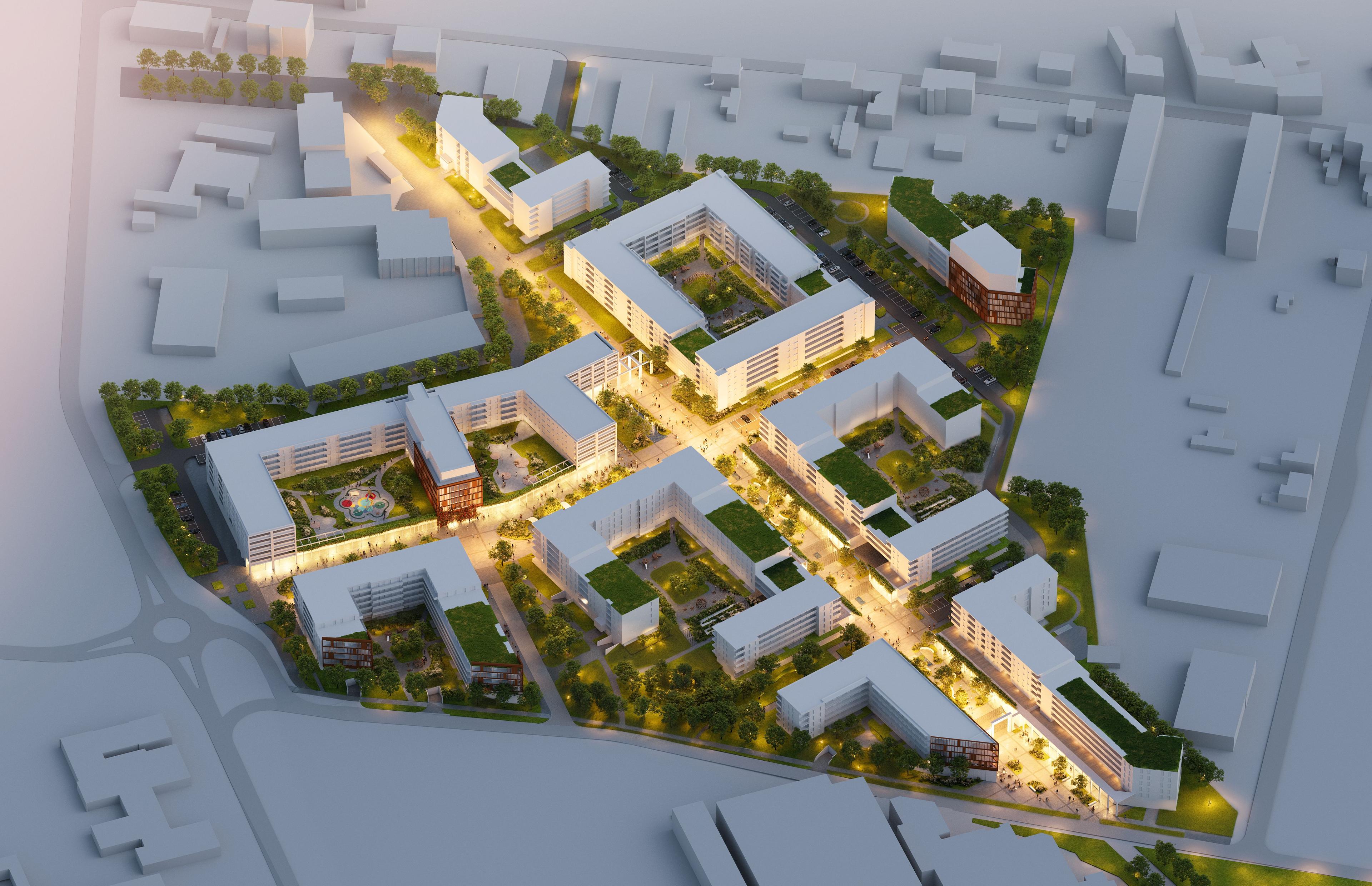
Gryfny Nikisz – an urban and social venture with the ambition to create a new city district of the future, set within one of Europe’s most authentic and recognizable cultural landscapes in Katowice
Site area
10,14 ha
Gross floor area
126 200 m2
Net Saleable Area
85 269
Number of residential units
1600
Number of storeys
V - VI
Share
Gallery
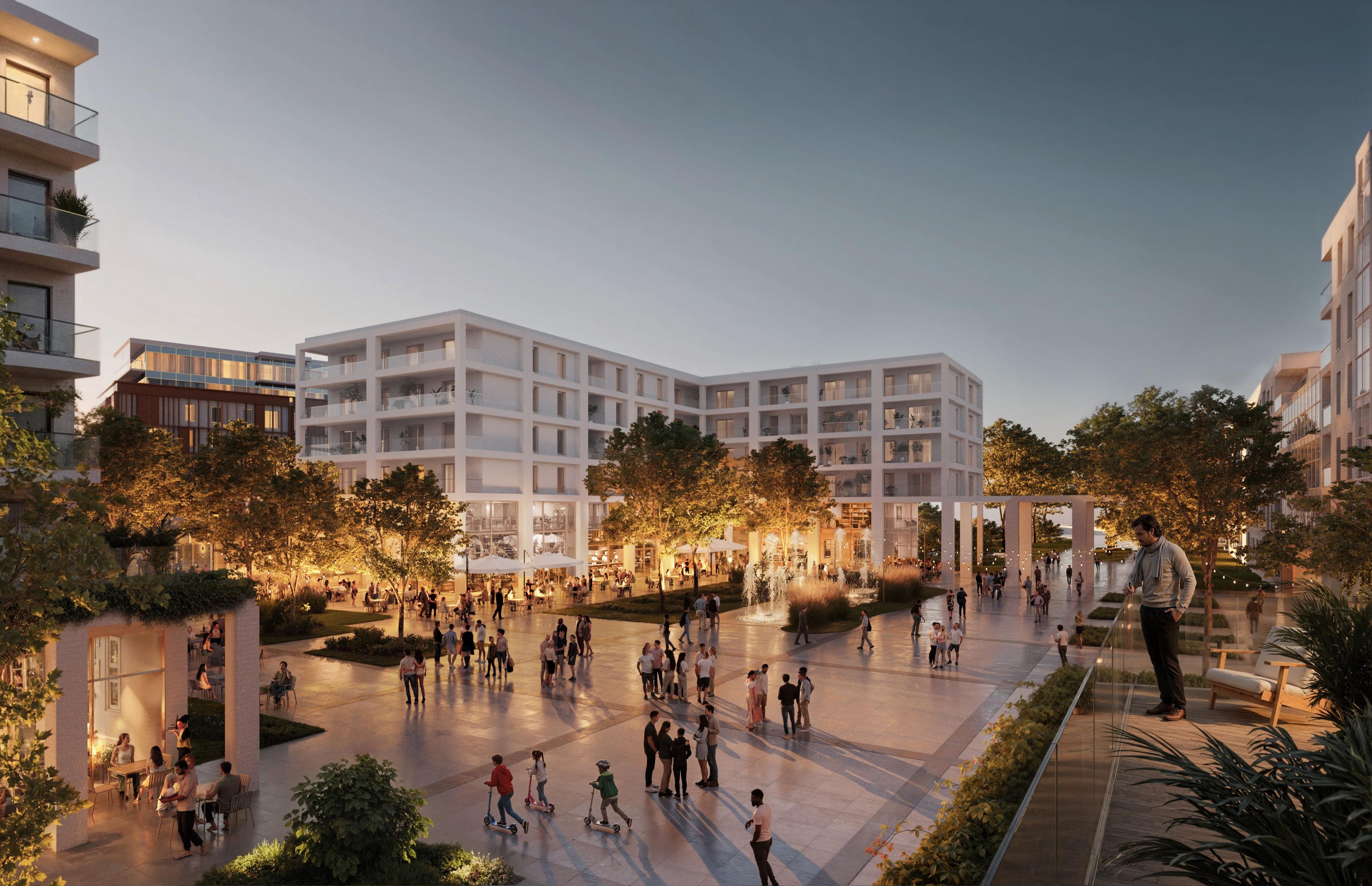
Gryfny Nikisz Square
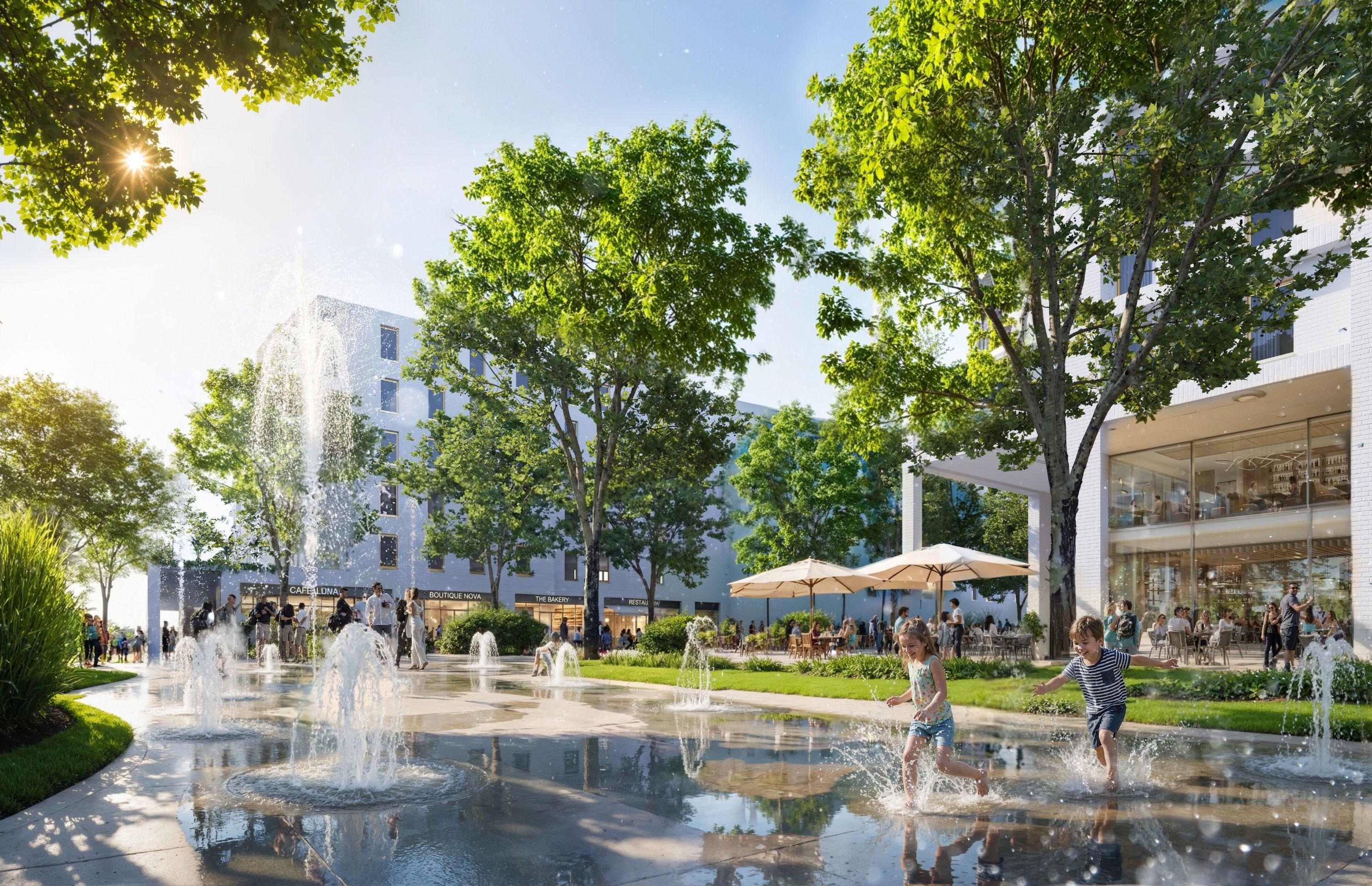
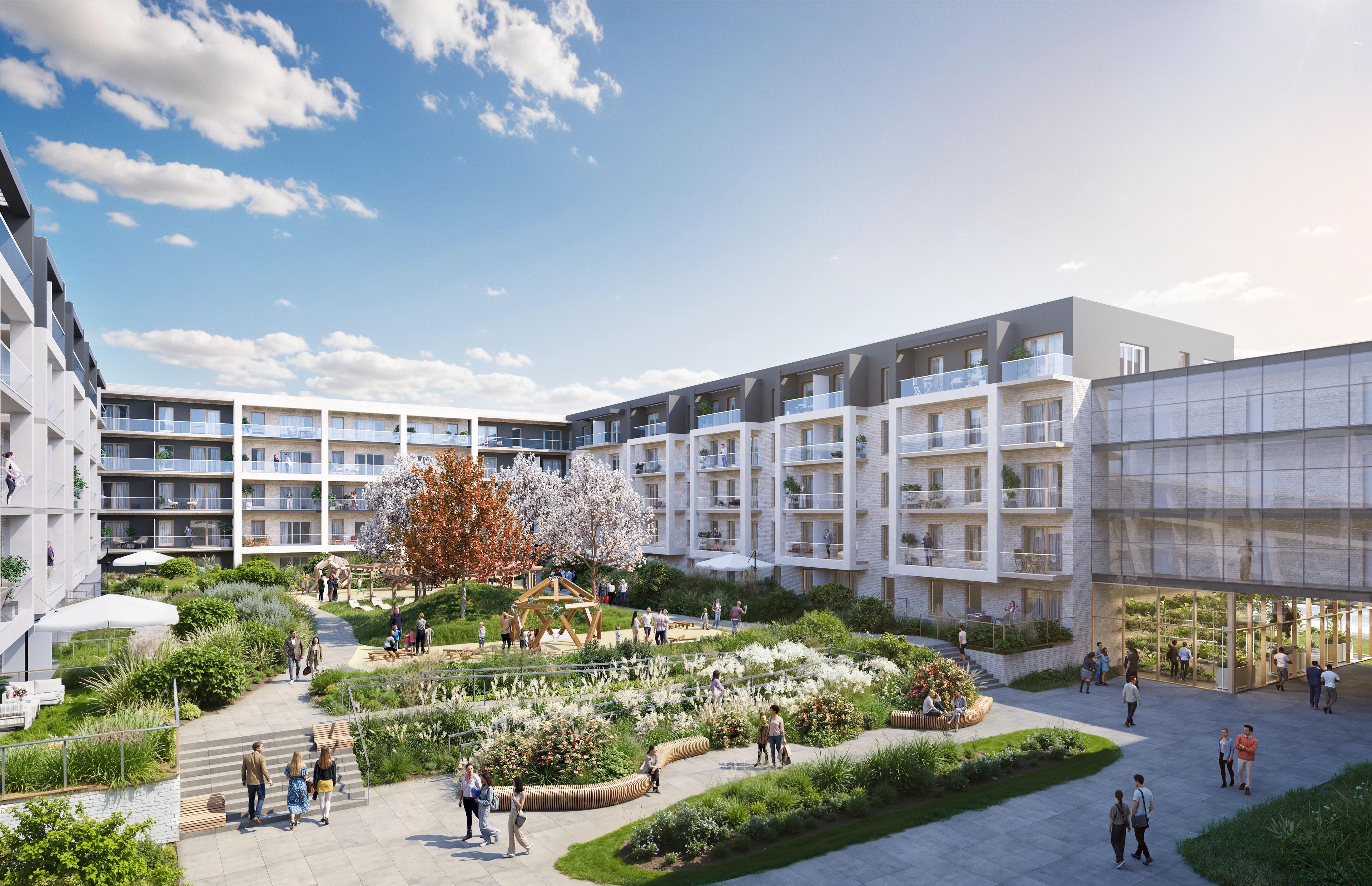
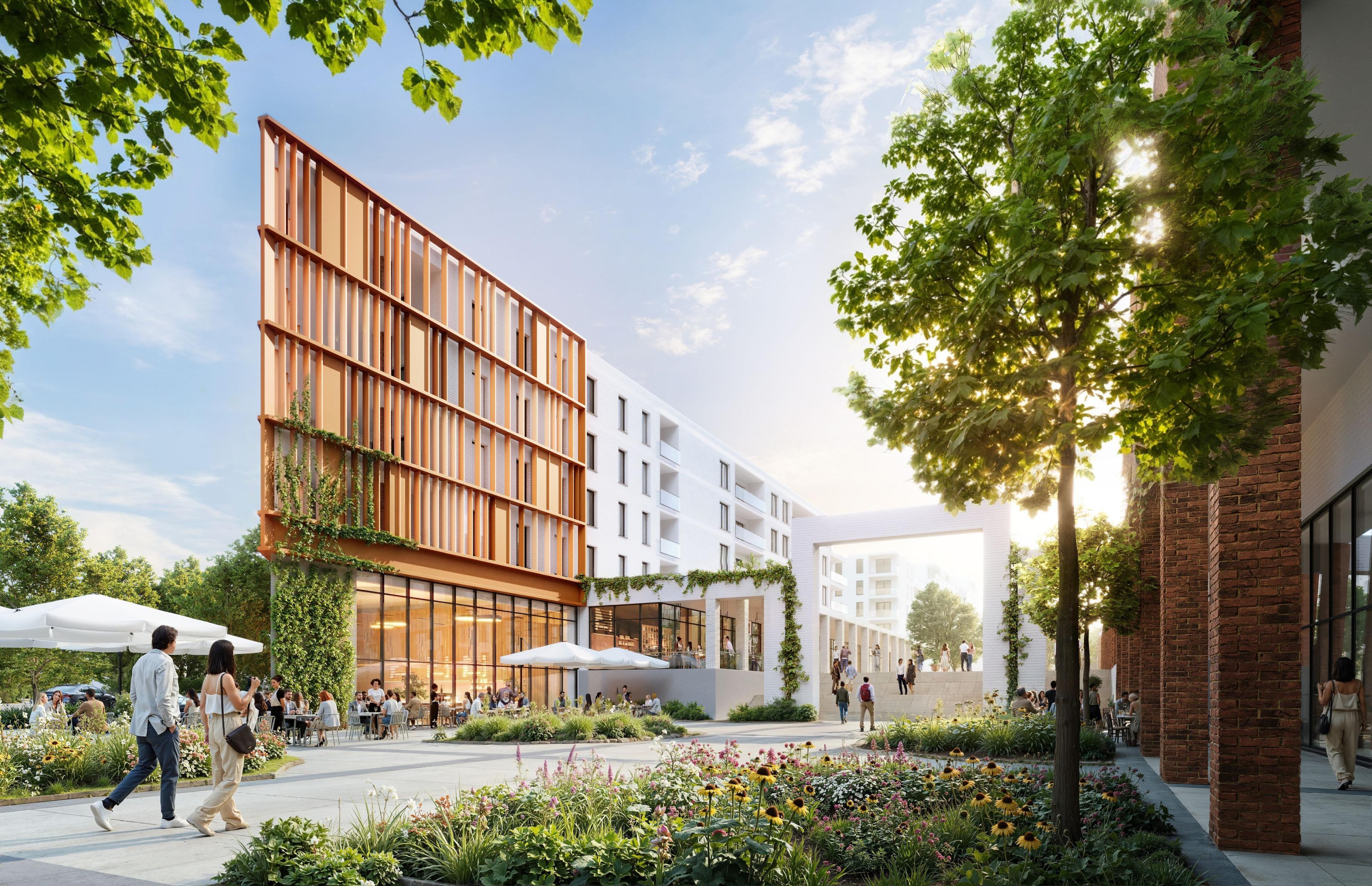
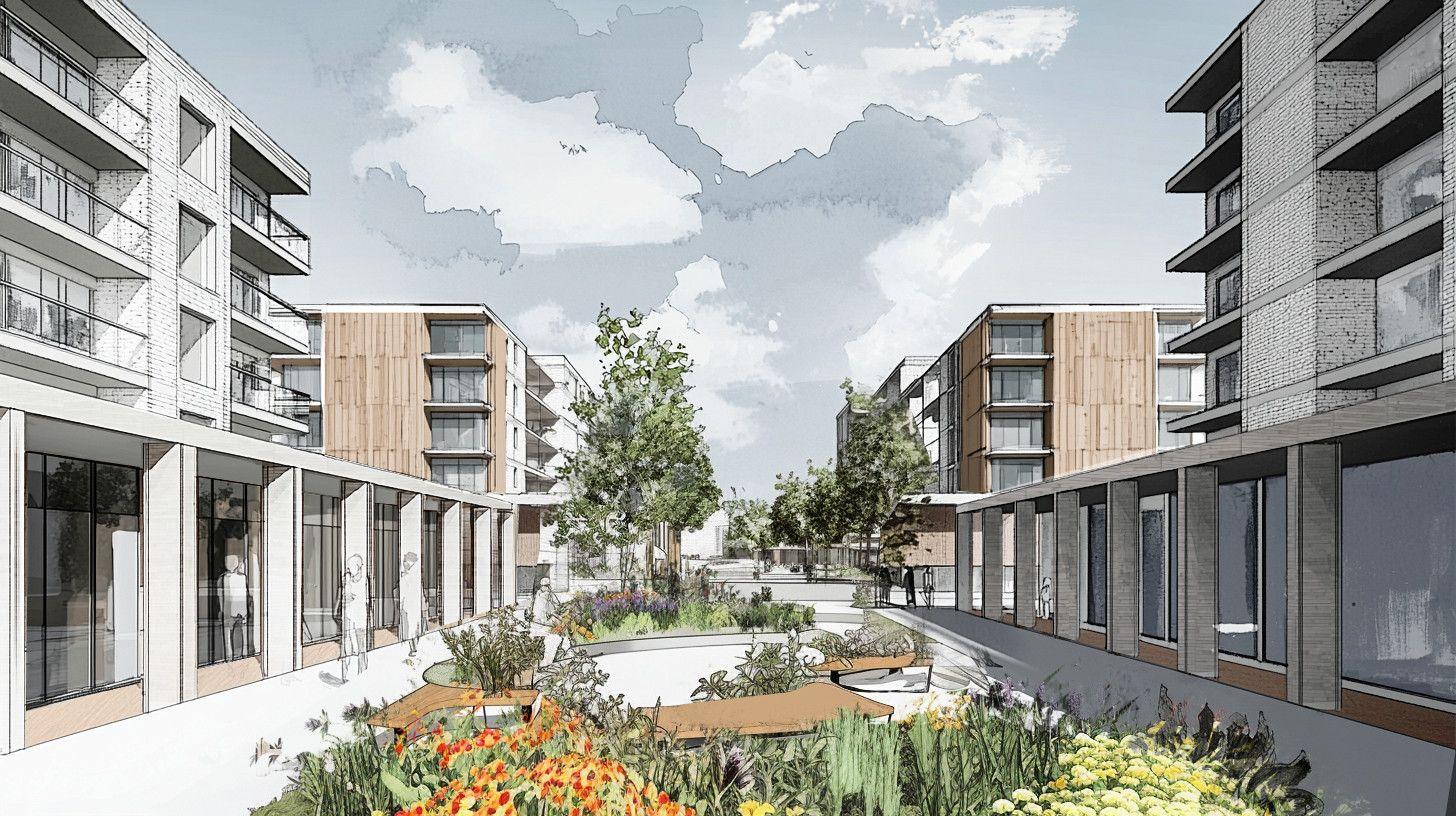
Gryfny Nikisz Sketch
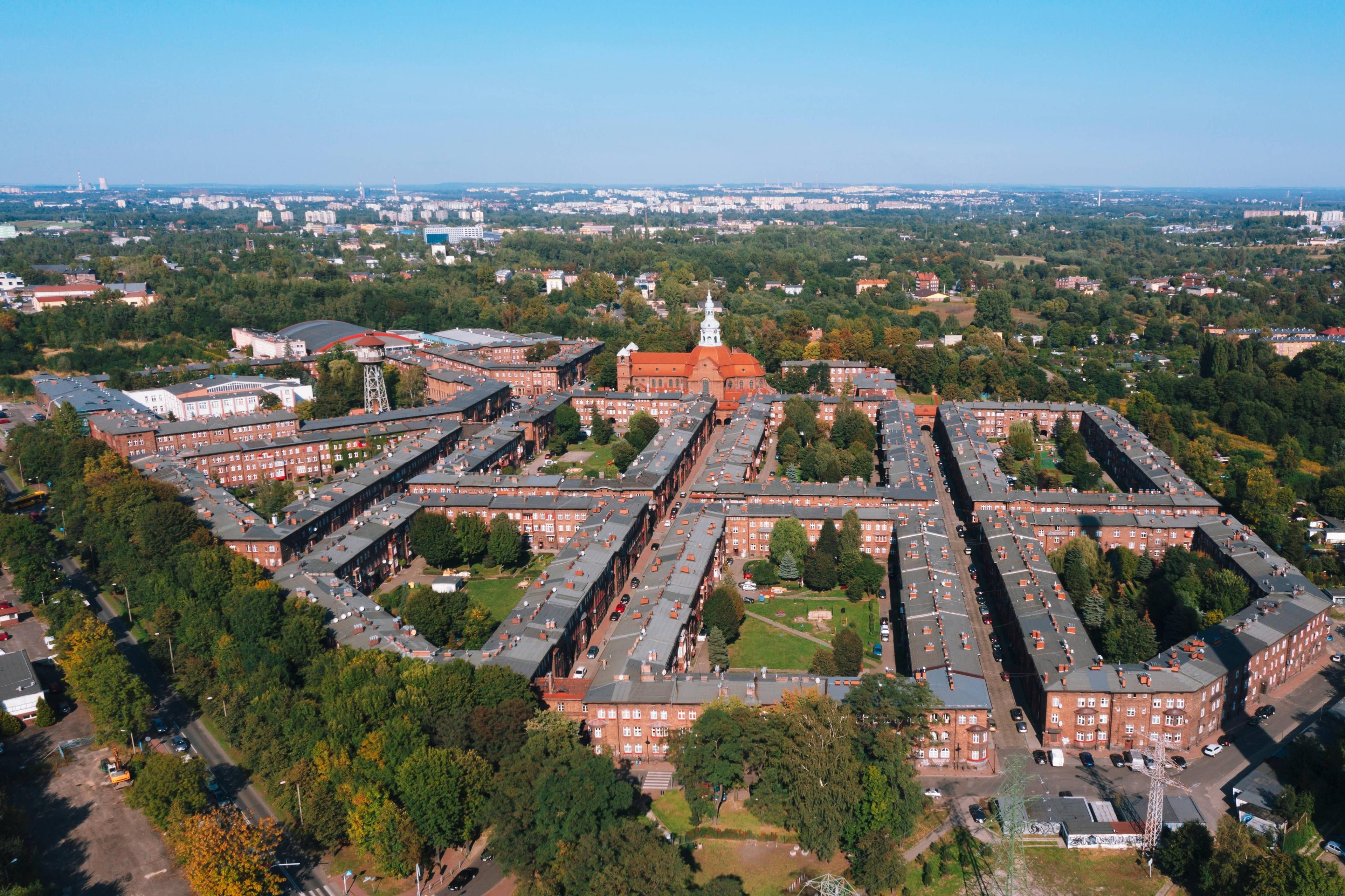
Aerial view of Old Nikiszowiec
Main gate beetwen Old Nikiszowiec and Gryfny Nikisz
PROJECT INTRODUCTION
Katowice ranks among those European cities that have undergone one of the most dynamic and consistent structural transformations of recent decades. As the core of the Upper Silesian–Zagłębie Metropolis — home to over 2.2 million residents — the city serves as the central administrative, economic, academic, and cultural hub of the region. At the same time, it stands as a powerful illustration of the transition from heavy industry to an economy driven by knowledge, advanced services, culture, and new technologies.
The development of transport, social and technical infrastructure, combined with proactive urban and investment policy, has created the conditions for projects of a scale and significance that extend well beyond the local context. Among the most important areas of this transformation is the south-eastern part of Katowice, encompassing Nikiszowiec and the post-industrial land of the former Wieczorek colliery.
This is the setting for Gryfny Nikisz — a long-term urban and social undertaking whose ambition is to create a new city quarter for the future, rooted in one of the most authentic and recognisable cultural landscapes in Europe.
Human-Centred Neighbourhood
PROJECT FEATURES
Gryfny Nikisz is a city-forming intervention that will give rise to a district combining contemporary design and smart city solutions with the finest traditions of European residential neighbourhoods and authentic industrial heritage. The project fully aligns with the principles of the New European Bauhaus and the European Union's new housing policy, integrating aesthetic quality, sustainable development, social inclusivity and long-term urban responsibility.
HISTORICAL HERITAGE
Nikiszowiec is one of the best-preserved company housing estates in Europe. Built between 1908 and 1919 to house workers of the Wieczorek colliery, it was conceived from the outset as a self-sufficient urban organism. Its urban layout comprises nine enclosed residential blocks arranged around generous internal courtyards. The functional programme incorporated all the essential elements of daily life: housing, a school, a nursery, a hospital, a church, bathhouses, laundries, public houses and retail premises. The distinctive brick architecture, compositional coherence and high quality of construction ensure that Nikiszowiec remains to this day one of the most recognisable examples of early social modernism in Europe.
CULTURAL IDENTITY
For over a century, the historic Nikiszowiec has continuously functioned as a residential district. This unbroken occupation has made it a living piece of urban fabric, where history, everyday life and local identity are inseparable. Today, Nikiszowiec is one of the most significant cultural centres in Upper Silesia, hosting national and international events, art galleries, museum institutions and hospitality venues. The district has become a benchmark for the successful adaptation of industrial heritage to contemporary cultural needs.
REGENERATION OF POST-MINING LAND
The urban and architectural masterplan for Gryfny Nikisz is being developed on land degraded through long-term mining activity. The regeneration of these brownfield sites is a key element of the broader transformation taking place across Katowice and the wider region. The process involves introducing urban, ecological and social value to former industrial land — converting it from a single-use legacy into a multifunctional and sustainable urban district that integrates residential and commercial uses.
A SELF-SUFFICIENT NEIGHBOURHOOD
Gryfny Nikisz and its immediate surroundings are designed as a multifunctional, self-sufficient urban quarter. The urban structure draws on the best European models of the compact city, where high-quality public spaces — squares, streets, courtyards and parks — play a central role. At the heart of the masterplan is a car-free civic square, framed by retail, service and community uses. The movement hierarchy prioritises pedestrian and cycle routes, with private vehicles subordinate to the needs of residents and the quality of public space. At full capacity, the district will be home to approximately 4,000 residents across around 1,500 dwellings of varied sizes and tenures. The functional programme includes neighbourhood retail and service units, cafés, restaurants and bars, fitness, health and leisure facilities, offices and co-working spaces, a nursery in close proximity to a primary school, and communal meeting spaces that foster social integration. The underlying design principle is to create an environment in which all everyday needs can be met locally, within a short walk.
AN URBAN COMMUNITY
The project provides for a diverse range of housing tenures: owner-occupied, institutional, long-term rental, short-term rental, student accommodation and hotel use. This model promotes social stability, prevents monoculture and ensures the district remains active throughout the day and across the year. Gryfny Nikisz is designed as a district open to all age groups and social demographics. For younger residents, it offers accessible housing, proximity to employment and a rich cultural offer. For families — safety, education and green space. For older residents — a legible layout, accessible services and a fully barrier-free environment. The city is understood as an intergenerational community, not merely a collection of land uses.
ESG-LED DESIGN
The Gryfny Nikisz masterplan is designed in full accordance with ESG principles, which underpin the entire concept — with particular emphasis on the social value generated through urban planning and architectural decisions. The new district is conceived in direct relationship with the existing urban fabric, complementing established uses and supporting the social activation and integration of local communities. The green transition encompasses an extensive landscaping and biodiversity strategy, rainwater retention, microclimate improvement, reduced transport emissions, the reuse of brownfield land, the design of buildings with long life cycles and adaptable functions, and the responsible management of resources throughout.
BETWEEN HERITAGE AND TECHNOLOGY
An integral element of the area's transformation is the parallel conversion of the listed Wieczorek Colliery into a large-scale gaming, technology and creative hub. Together with the Gryfny Nikisz development, this creates a unique ecosystem in which residential, creative, technology and cultural functions mutually reinforce one another.
INVESTMENT OPPORTUNITIES
We are delivering a large-scale urban regeneration project in one of Poland's most promising and rapidly growing neighborhoods. The scheme is underpinned by a comprehensive urban and architectural master plan, as well as a complete planning and legal framework.
We welcome collaboration with institutional investors, development partners, and investment funds. We present partnership model we are currently considering.
This path offers the opportunity to acquire a complete investment package: ownership of the land, the urban and architectural masterplan together with full design documentation, planning permits, and the rights to commercialise all components.
The buyer assumes full control over project delivery while benefiting from a significant reduction of risk achieved through our preparatory work. This structure removes the pre-development phase typical for projects of this scale, enabling a faster route to market.
This model is aimed at investors and developers seeking projects that are ready to deliver, with established planning frameworks.
Investor

FIND OUT MORE
GNH Sp. z o.o. is a SPV established to manage the "Gryfny Nikisz" project in Katowice—a new residential development located in the vicinity of the historic Nikiszowiec district.