Urban design is the process of shaping urban spaces with regard to local conditions and regulations. Its goal is to create new spatial layouts or improve existing ones while ensuring functionality, aesthetics, and historical context. Spatial relations, infrastructure, mobility, and the integration of greenery play a key role.
DESCRIPTION
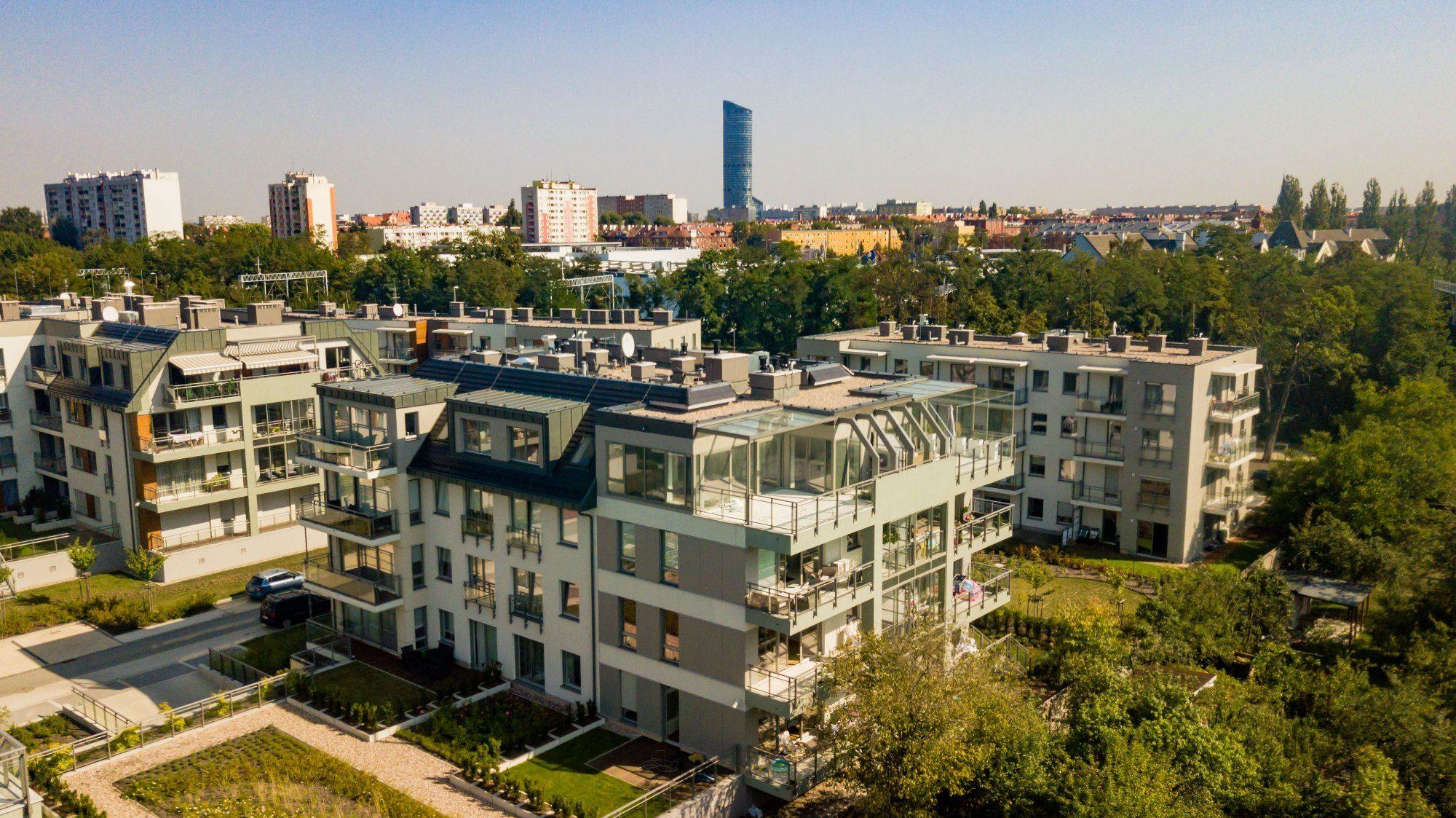
Urban design is a specialized type of design focused on creating new or improving existing spaces while respecting planning procedures and regulations.
This type of design introduces new spatial relationships, taking into account historical context, terrain, utilities, transport connections, technical infrastructure, existing greenery, airflow, as well as functional, aesthetic, and visual considerations.
OUR OFFER
The procedure for preparing an Integrated Investment Plan (ZPI) is largely consistent with the general principles of preparing a spatial development plan.
PLANNING STUDIES | SCOPE OF WORK | STUDY DESCRIPTION |
|---|---|---|
Large scale urban developments | Analysis of spatial and historical context Urban concept and spatial planning Design of transport and mobility systems ntegration of green areas and ecological solutions Optimization of space for users Development of infrastructure and public services | Large scale urban developments significantly influence the shaping of not only residential estates or districts but entire cities. Analyses of planning documents and other studies conducted before the design phase highlight the historical, social, and economic context of a site, which cannot be overlooked. Examining existing transport links reveals shortcomings in public transport, cycling networks and access to healthcare, education, services and retail. Thoughtful and optimized urban design projects offer an opportunity to restore postindustrial areas or neglected riverfronts to cities and their residents. They create spaces of new quality, integrated with existing greenery, and enriched by ecological solutions. Large scale urban developments provide an opportunity to create spaces that are beautiful, functional, and human centered. |
Spatial development designs | Concept design for site development based on the local spatial development plan or building conditions decision Construction site development design Detailed site development design, including surface layout drawings, landscaping and street furniture. | A site development design may constitute part of a construction design required to obtain a permit and begin site works or serve as an independent project improving the quality of public or private space. It must be prepared on a survey map for design purposes and include the location, outline and layout of existing and proposed buildings, utilities and infrastructure, wastewater disposal or treatment systems, traffic layout, topography and greenery plan, waste storage areas, fencing and access to a public road. |
Preparation of an Integrated Investment Plan (ZPI) | Preparing the application Integrated Investment Plan design including text and drawings prepared on the basis of: a) the Act on Spatial Planning and Development of 27 March 2003 c) Article 16.1 of the Planning Act specifying scale requirements, generally 1:1000, and requirements for source materials such as official copies of base maps or cadastral maps from the national geodetic and cartographic resource b) Article 15.1-3 of the Planning Act concerning mandatory and optional components of a local spatial plan including a textual and graphic part with justification and alignment with the communal spatial policy adopted in local or regional development strategies c) Article 16.1 of the Planning Act specifying scale requirements, generally 1:1000, and requirements for source materials such as official copies of base maps or cadastral maps from the national geodetic and cartographic resource | If the area does not have an adopted local spatial development plan, or if the Investor requires amendments to the existing plan, they may prepare an Integrated Investment Plan at their own cost and submit it to the municipality for adoption. This tool provides greater |
SECTORS
We design contemporary residential buildings and mixed-use developments, integrating aesthetic quality with residential amenity while ensuring coherent response to the wider urban context.
Find out moreOur approach to office buildings and commercial developments balances architectural quality with workplace wellbeing, ensuring each scheme responds coherently to its urban setting and the needs of its occupiers.
Find out moreWe create exceptional hotel and wellness environments that respond sensitively to their urban or natural context, with a commitment to landscape stewardship and sustainable design principles. Our projects are fully delivered in BIM.
Find out moreWe specialise in the revitalisation of post-industrial sites and historic urban environments, transforming brownfield land into vibrant, sustainable districts whilst ensuring the sensitive integration of heritage assets with contemporary development.
Find out moreReady to discuss your project?
Please do not hesitate to contact us — we would be happy to answer any further questions.
RELATED PROJECTS
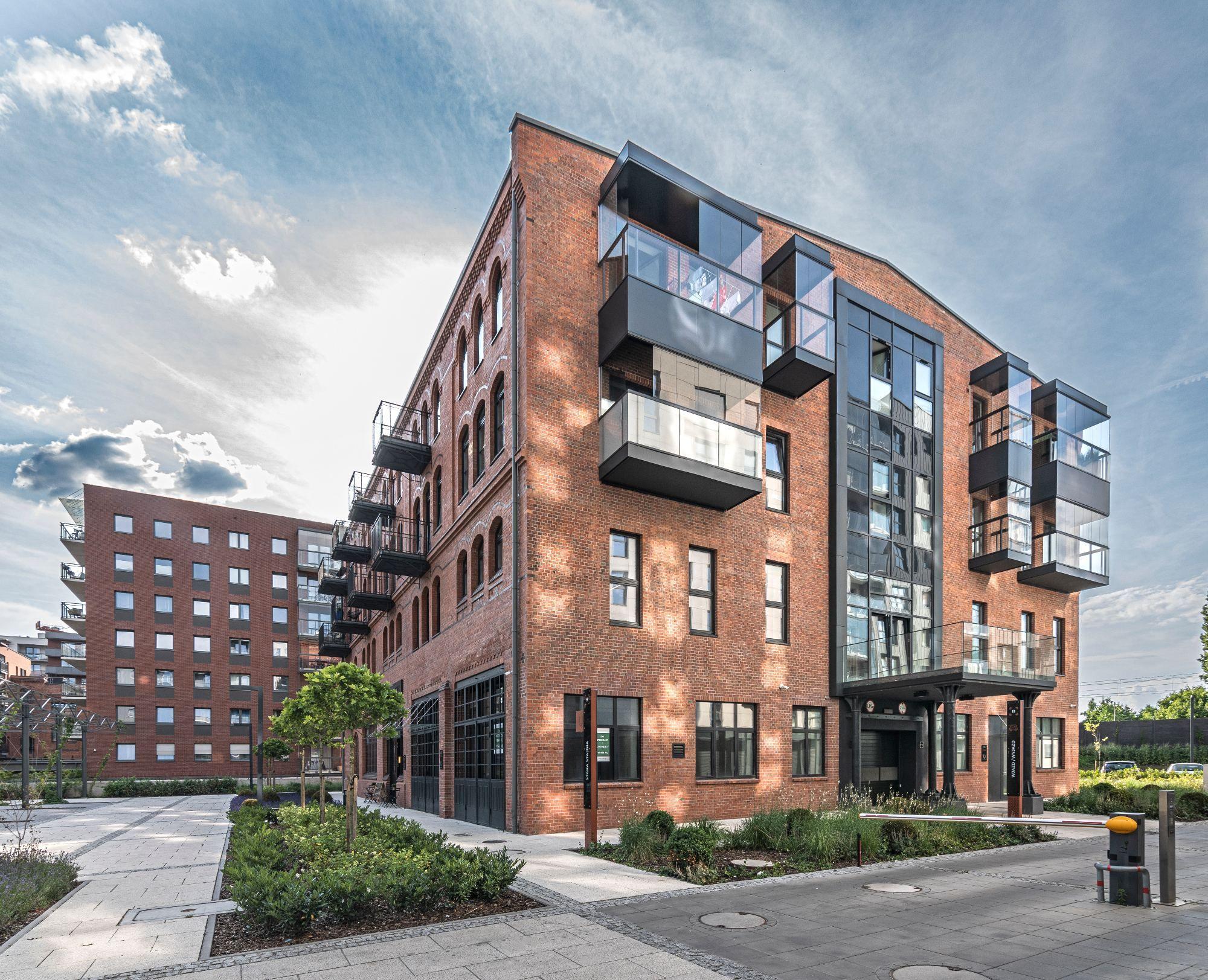
Browary Wrocławskie
Site Area
3,9 ha
Total Area
99 017 m²
Usable Floor Area
48 546 m²
Number of Residential and Commercial Units
831
Number of Above-Ground Floors
III-XVIII
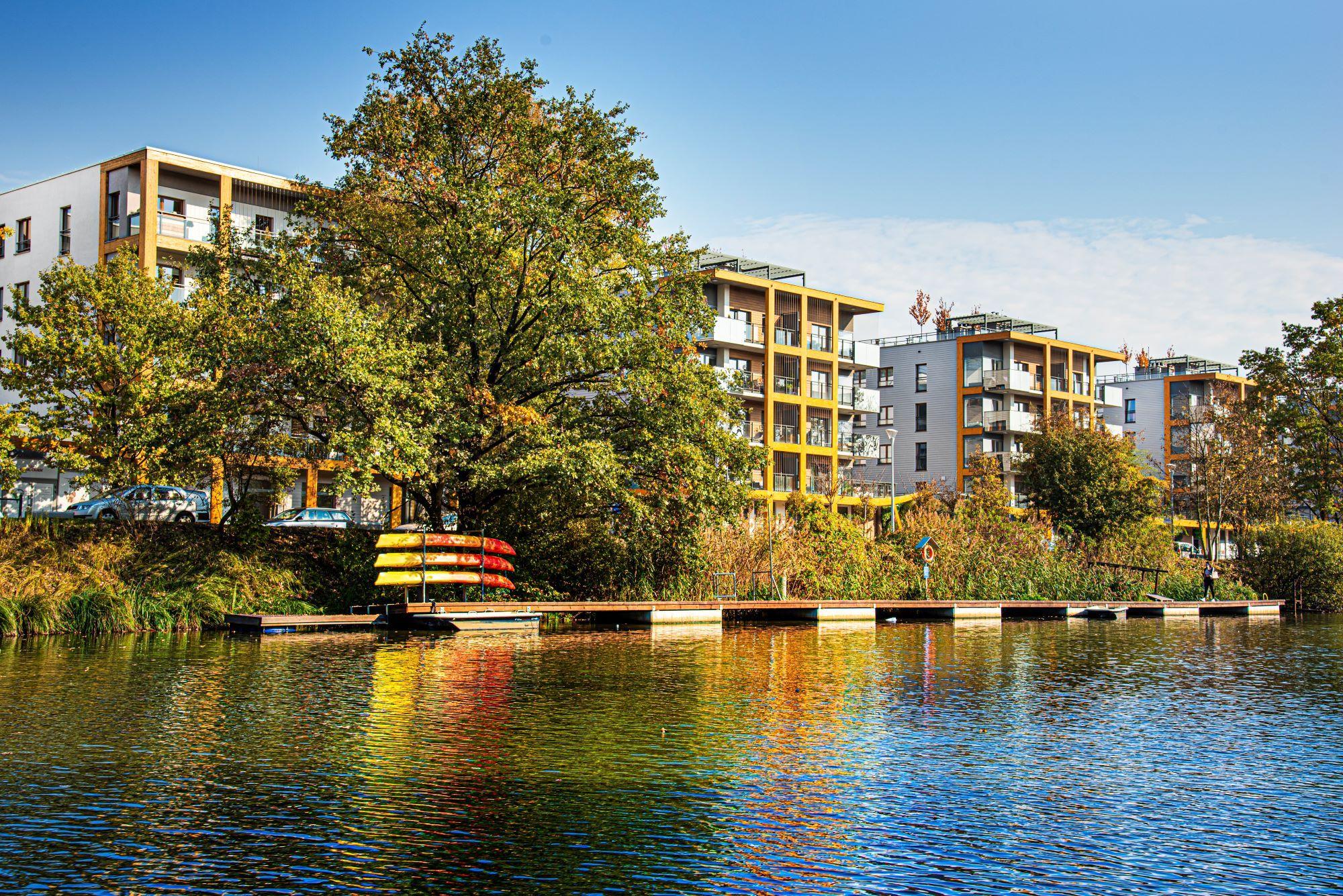
Olimpia Port
Land area covered by the local ppatial development plan (MPZP)
35 ha
Residential development area
20,84 ha
Total site area
273 500 m²
Usable floor area(PUM)
169 800 m²
Unit mix - residential and commercial
2976
Number of storeys above grade
IV-VI
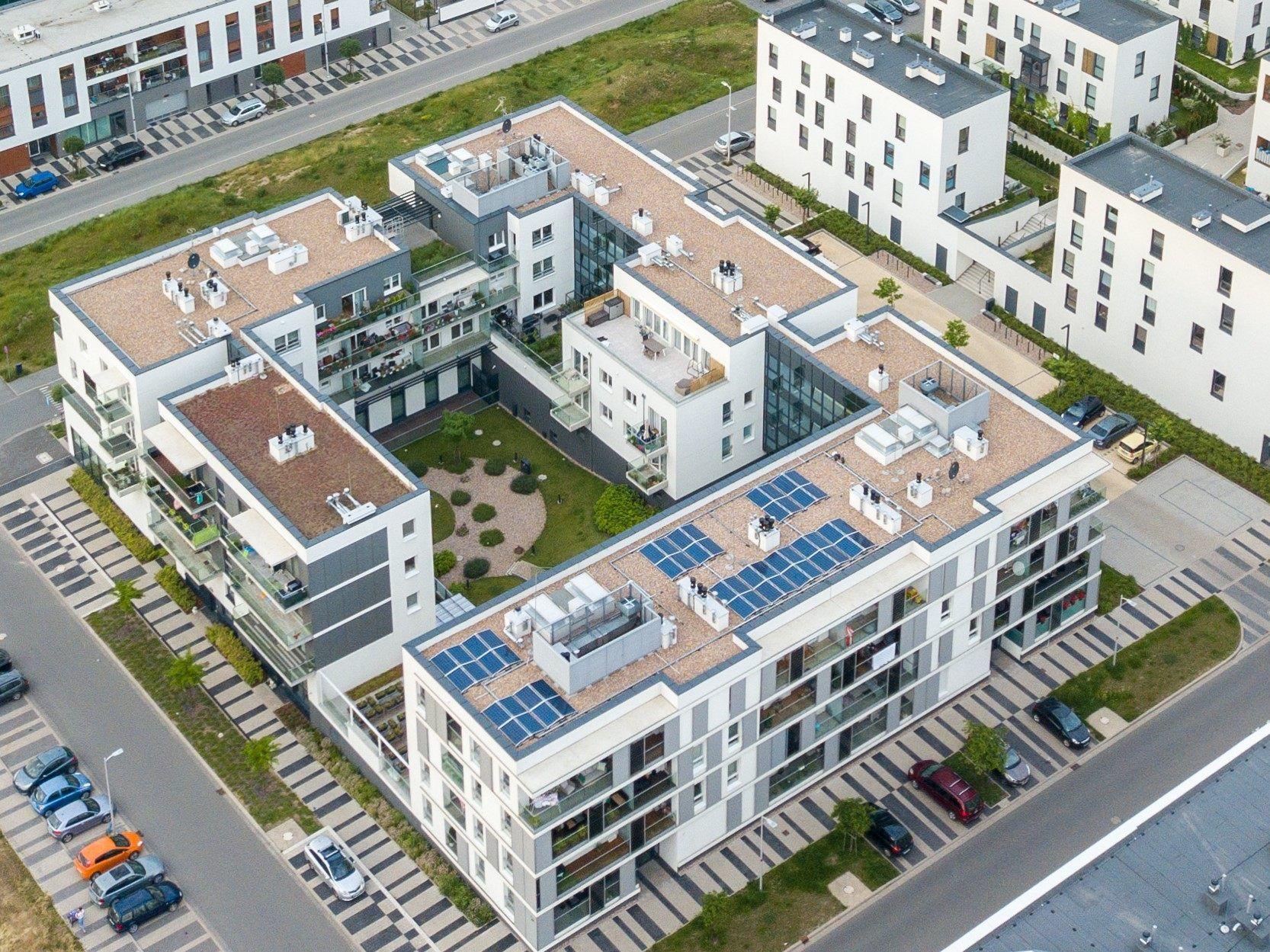
Nowe Żerniki Spiral of Time
Site Area
0,4 ha
Gross Floor Area
6959 m²
Net Saleable Area
4179 m²
Number of residential and commercial units
69
Number of storeys above ground
IV
GET IN TOUCH
Your message will be directed to the relevant team.

Katarzyna Pryszczewska
Deputy Design Director
biuro@sdrkstudio.com

Katarzyna Kubicz
Contracts and Cost Manager
biuro@srdkstudio.com