Revitalisation of historic spaces and buildings
02/26/2026
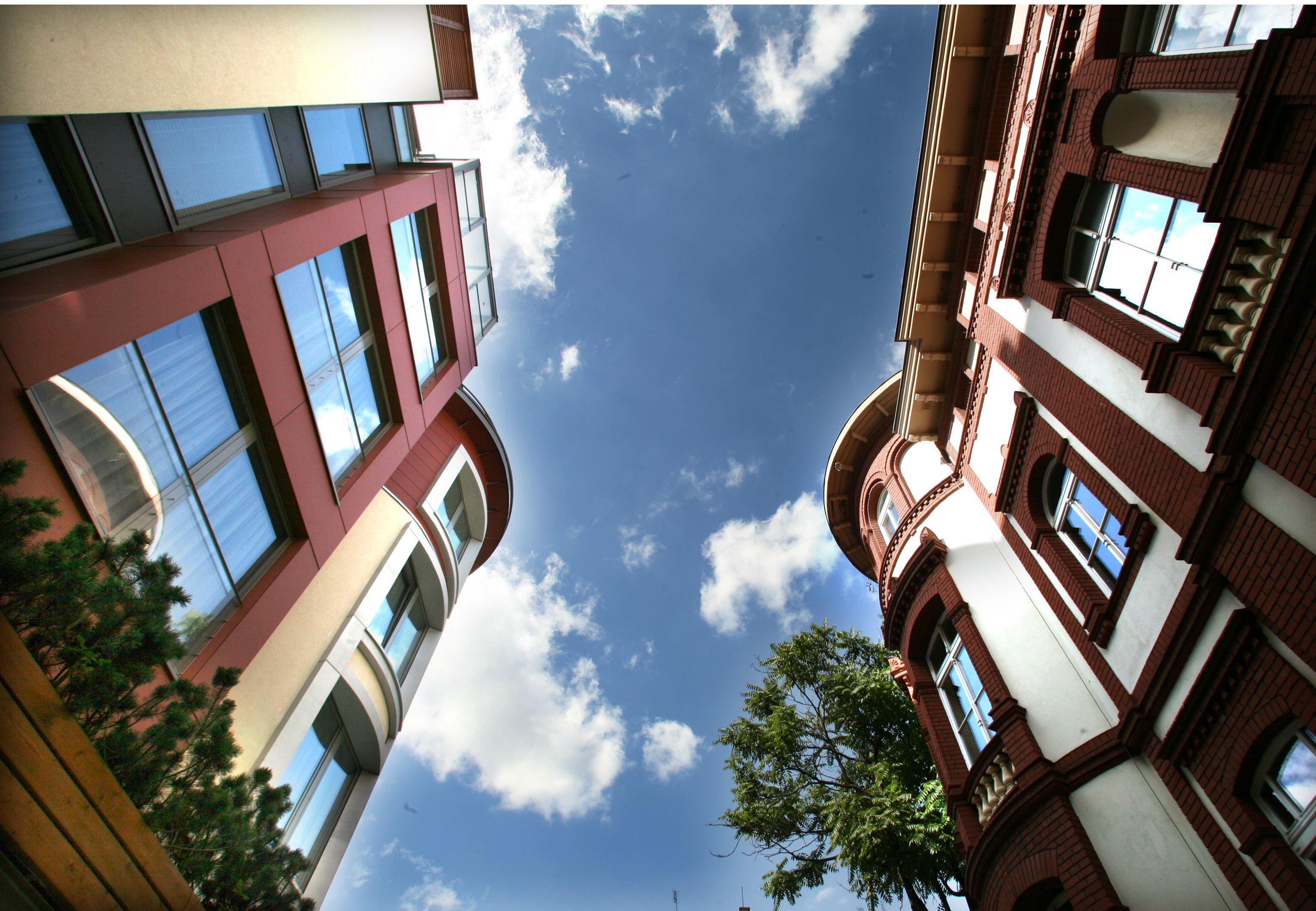
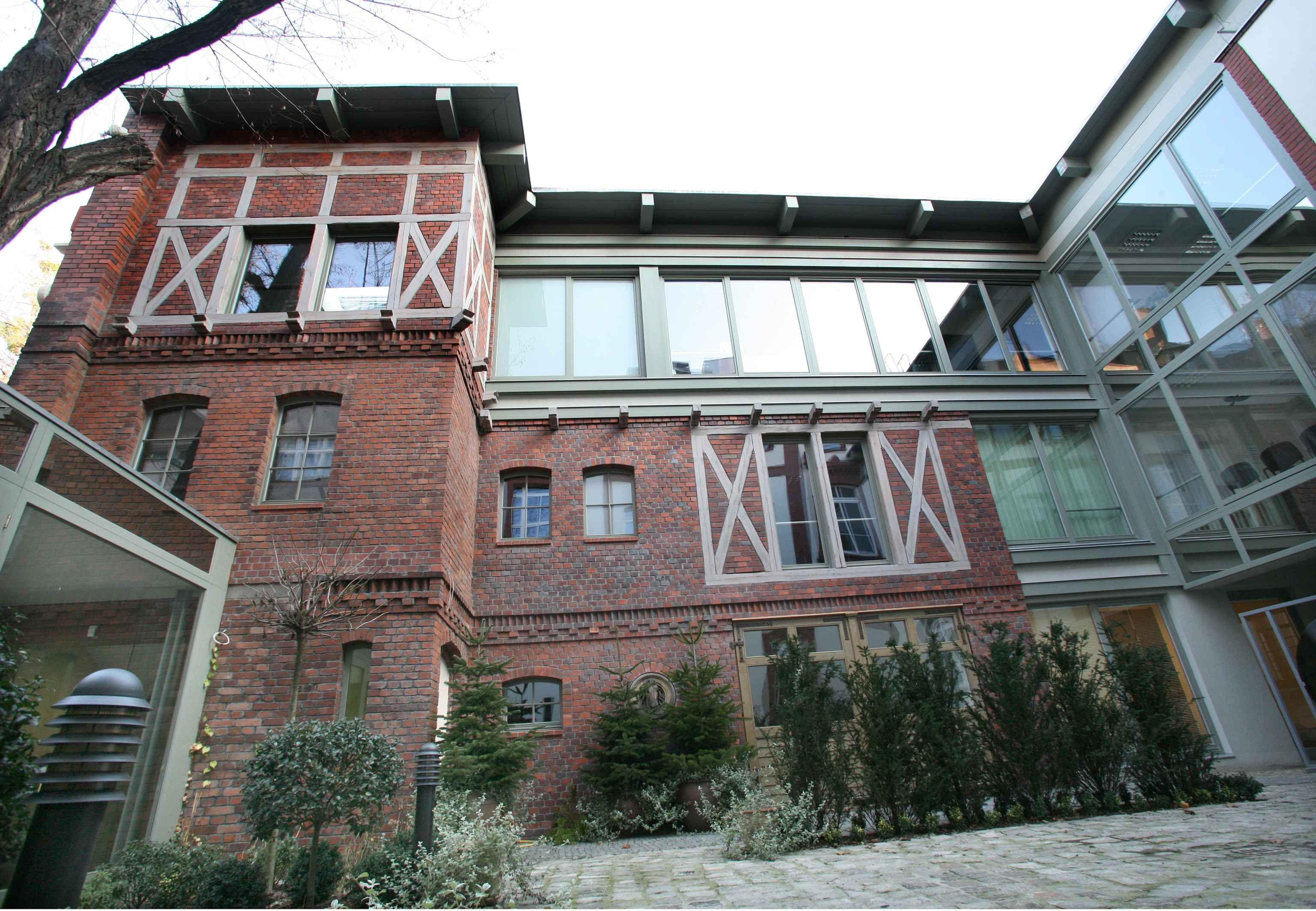
At SRDK STUDIO, we believe that revitalisation is not simply about restoring buildings to their former glory, but about adapting them to meet contemporary environmental challenges. Adalbert Pflug's Villa is a prime example of how historic architecture can coexist harmoniously with modern ESG solutions — from decarbonisation to green roofs and renewable energy sources — delivering an office building fully aligned with sustainable development principles.
Share this article
- Heritage Conservation Guidelines
- Revitalisation and Revalorisation
- The Impact of Revitalisation on Cities and the Quality of Urban Life
- Revitalisation of Listed Buildings, ESG and Sustainable Development
- The Objectives of Revitalisation
Revitalisation of Historic Spaces and Buildings
Developer, if you are planning work on a site subject to heritage conservation, SRDK Studio has the expertise and competencies to serve as your partner throughout the process:
- architects specialising in architectural heritage conservation
- a legal and administrative team with extensive experience in working with heritage conservation authorities
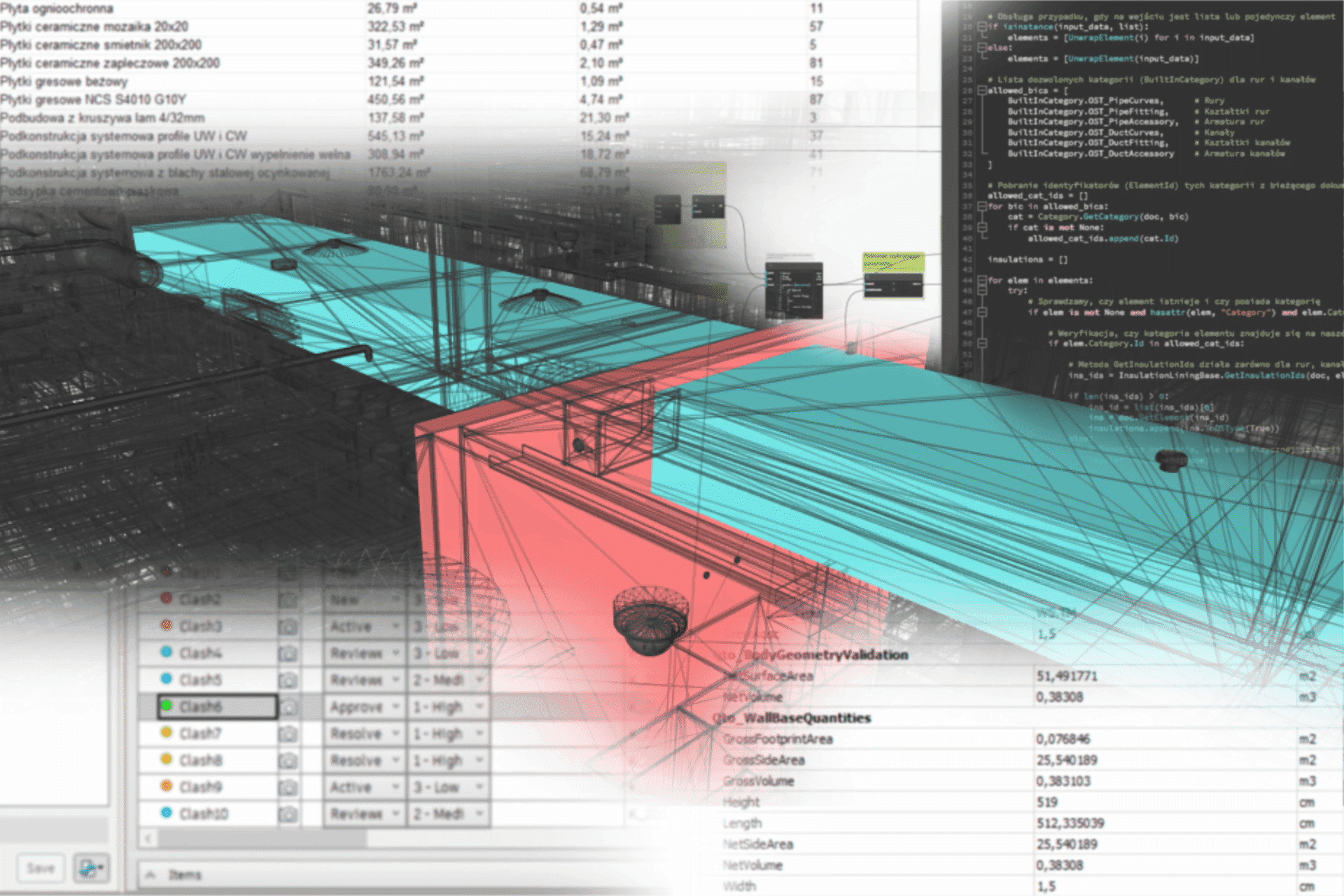
- an architectural and building services design team working within a BIM environment, streamlining both the design and development process
- a portfolio of completed projects, including a boutique office building within the Adalbert Pflug Villa, the garrison bakery now housing the Jerzy Grotowski Theatre Institute, and the Glass House — a building dating from the Napoleonic era. (link to: Our Projects / Revitalisation)
Heritage Conservation Guidelines
The scope of guidelines applied by conservation authorities is broad. Requirements may vary depending on the specific characteristics of a given building and its location, as well as the discretionary judgment of the individual conservation officer. Nevertheless, there are overarching principles designed to ensure the appropriate protection and preservation of cultural heritage. All works are carried out in accordance with the Act on the Protection and Guardianship of Monuments, and conservation recommendations must be obtained for each individual development within the public realm.
The heritage revitalisation process can be divided into three principal stages:
Survey and Documentation Stage: The first step is the formal initiation of the project — a thorough study of the listed structure, its history, and urban context. This involves historical expert assessments, stratigraphic, chemical, conservation, and architectural surveys. The acquisition of missing data is accompanied by complex administrative procedures. Conservation consent is required at the start of this stage.
Design Stage: Based on the data gathered, a revitalisation strategy is developed. It defines the scope of conservation and restoration works, establishes protection zones, and sets out a functional programme—enabling the listed structure to be adapted for a new use while preserving its historic character within the public realm.
Construction Stage: The final stage involves carrying out the construction works in accordance with the approved design. All required permits and consents must be obtained at this stage. The architect’s site inspections play an important role throughout.
Revitalisation and Revalorisation
The revalorisation of listed buildings and historic structures, alongside the revitalisation of post-industrial sites, are processes that enable the history and identity of many places to be preserved — safeguarding heritage and collective memory. They restore practical value, introduce new functions to derelict sites and buildings, and facilitate the reintegration of these areas into the urban fabric, thereby countering the adverse effects of urban sprawl. Revitalisation plays a significant role in the sustainable development of cities.
The Impact of Revitalisation on Cities and the Quality of Urban Life
Working with historic fabric is demanding, which is why few developers are willing to take it on. Within both the public and private sectors in Poland, a wave of tenement revitalisation is anticipated, driven by poor structural conditions and increasing ESG requirements. Dilapidated listed buildings will require modernisation, including thermal retrofitting. Failure to act will carry significant negative consequences. Areas where the adaptive reuse of existing buildings is not prioritised risk social exclusion — a considerable challenge for residents and local authorities in the context of contemporary urban development.
Well-executed revitalisation and revalorisation play a fundamental role in urban regeneration: they return restored areas to residents, integrate local communities, and introduce new functions into the public realm, increasing their broader social utility. Revitalisation can contribute to the growth of tourism, whilst its absence risks diminishing a city's cultural and visitor appeal.
Revitalisation of Listed Buildings, ESG and Sustainable Development
The revitalisation of heritage buildings is not solely a matter of cultural heritage protection — it is equally a question of sustainable development. The adaptation of existing structures is considerably more environmentally responsible than new-build construction. Moreover, historic buildings are frequently characterised by high-quality materials and construction methods, making them inherently durable and energy-efficient. Revitalisation must be carried out in a manner that preserves local heritage. The retention of unique traces of the past — even where new functions are introduced — ensures that revitalisation projects enrich the identity of both communities and places. This applies equally to smaller towns and to Poland's largest urban centres.
The Objectives of Revitalisation
The revitalisation and revalorisation of historic urban fabric serves a number of socially significant objectives, including:
- The adaptation of listed structures to meet the needs of contemporary residents and users of the public realm
- The sensitive integration of heritage buildings into the urban fabric
- the preservation of local identity and the protection of the world's tangible cultural heritage
Revitalisation is a complex, multi-stage process that requires the support of public administration bodies, cultural institutions, non-governmental organisations, the private sector, and local communities. With appropriate support and a clear understanding of the specific requirements and procedures involved, the prospects for protecting cultural heritage are considerably stronger.
Share this article